
A Practical HR Guide for Employers
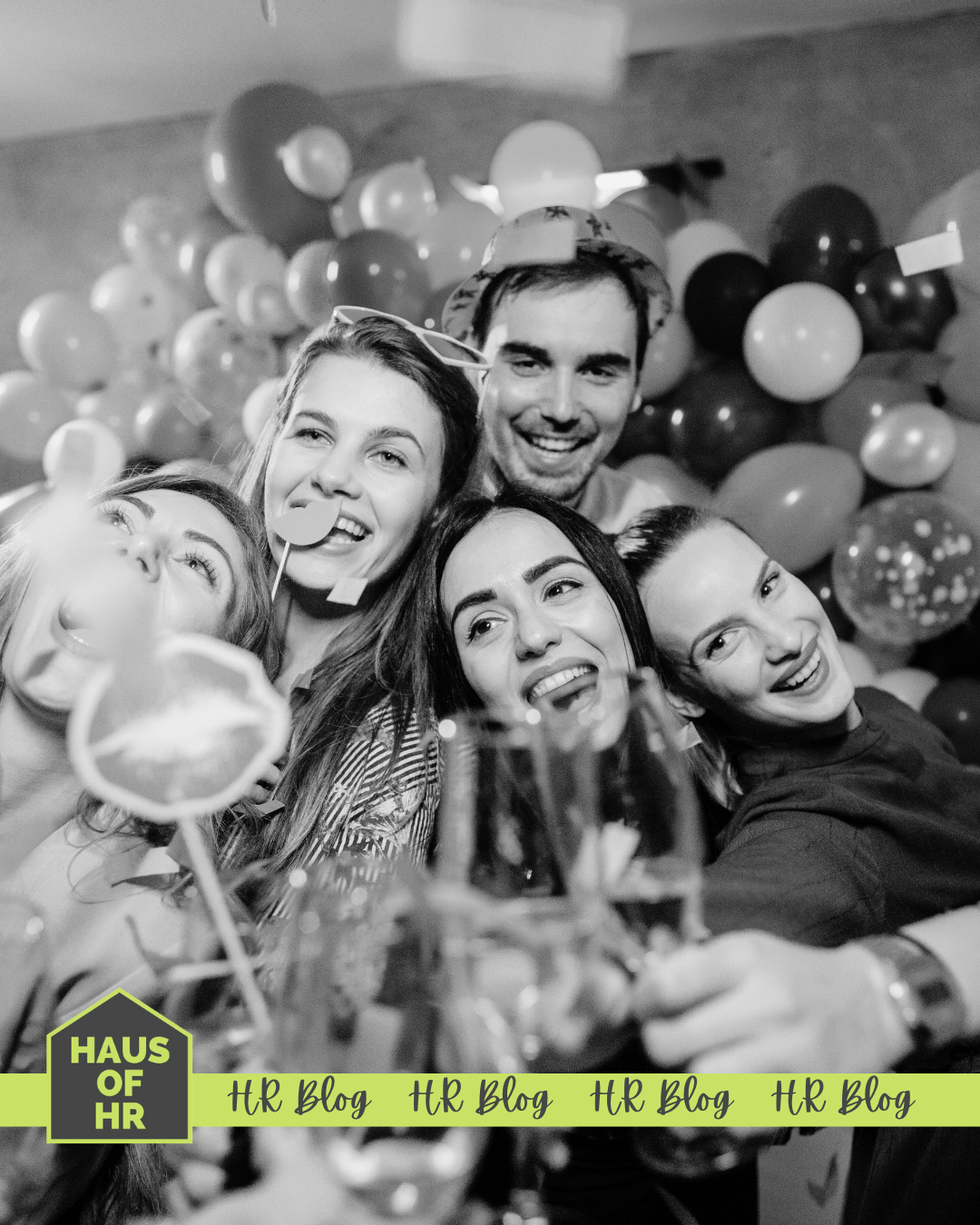
Work-related social events are one of the true joys of the working world – a chance to step away from desks, celebrate successes and connect as humans rather than job titles. Whether it’s the annual Christmas party, a summer get-together, or a casual farewell drink, these moments play a valuable role in shaping culture.
But as many HR professionals know, it’s also where workplace boundaries can blur. The relaxed environment, the change of setting, and (often) the presence of alcohol can create situations that are trickier to manage than anything seen in the office. And yet, legally, these events still sit firmly within the employer’s responsibilities.
Below, we explore what employers need to know and what they can do to ensure that social events remain memorable for all the right reasons.
Why Work Events Still Count as “Work”
It’s easy for employees to assume that once they’ve left the office, the usual rules stop applying. In reality, the law sees things differently. Work-related social events are considered an extension of the workplace, meaning the organisation’s duty of care continues – as does the risk of vicarious liability if something goes wrong.
Employment Tribunals take a broad view of what counts as “in the course of employment”. It’s not limited to structured corporate parties – even informal drinks organised by colleagues immediately after work have been found to be sufficiently connected to employment.
What does this mean in practice? Quite simply: employers can still be held responsible for behaviour such as harassment, bullying, discrimination, or physical aggression that occurs in these environments.
And with the new proactive duty to prevent sexual harassment, employers are expected not only to react, but to actively reduce the risk of harm before it happens.
The Risks That Can Surface When the Party Starts
Social events, for all their benefits, carry their own unique set of people risks. Alcohol is often the biggest catalyst, lowering inhibitions and increasing the chance of behaviour slipping into inappropriate territory. Add to that:
- uneven power dynamics
- colleagues who don’t normally interact
- the lack of workplace structure
- and the late-night “follow-on drinks” that aren’t officially part of the event
…and HR suddenly has a much more complex environment to oversee.
Courts have made it clear: employers can be held liable for incidents that happen after the official event has ended – especially if they form a natural continuation of the work gathering.
So, How Do Employers Protect Both Their People and Themselves?
This isn’t about policing fun or dampening the atmosphere. Instead, it’s about setting clear expectations, creating a safe environment, and ensuring employees understand that respect is non-negotiable wherever work interactions take place.
The good news? Employers can defend themselves against liability if they can show they took reasonable steps to prevent inappropriate behaviour. And those steps don’t have to feel heavy-handed.
Setting the Scene Before the Event
Clear, accessible policies are the backbone of good event preparation. A Behaviour at Work-Related Social Events Policy may sound formal, but it’s incredibly effective in setting expectations and drawing boundaries in a positive, proactive way.
This can sit alongside anti-harassment, bullying, sexual harassment and conduct policies already in place – as long as employees can easily find and understand them.
But policies alone aren’t enough. The run-up to an event is the perfect moment to gently remind employees of:
- expected behaviours
- moderation around alcohol
- the importance of inclusion
- and the fact that workplace standards still apply
This doesn’t have to be corporate or cold. Many employers now send friendly, conversational reminders – a far more human approach that aligns with modern culture.
Inclusive planning also matters. Consider accessibility, dietary needs, non-drinkers, and whether the environment itself supports safe behaviour. Thoughtful event planning helps prevent issues before they arise and signals that the organisation values every individual attending.
Supporting Managers to Do the Right Thing
Managers can unintentionally cross boundaries at social events – especially when lines between “professional” and “personal” become blurred. A quiet heads-up before the event can go a long way.
They should know:
- not to conduct performance conversations
- to steer people away from raising grievances in the moment
- and to model the professional behaviour expected from others
Some organisations choose to have one senior leader discreetly “on watch” to step in early if something looks like it may escalate. This doesn’t mean patrolling the dance floor – it simply ensures someone is ready to handle concerns appropriately. Rotating this responsibility keeps it fair.
The Role of Alcohol and Why Employers Must Think About It
Alcohol is part of many celebrations, but it’s also at the root of the majority of misconduct cases that arise from work events.
Employers aren’t expected to eliminate alcohol, but they are expected to manage how it’s offered. Limiting free drinks, providing tokens, avoiding open bars, and offering plenty of non-alcoholic options can dramatically reduce risks and promote a more inclusive experience for those who don’t drink at all.
This isn’t about control. It’s about ensuring people are still safe and that the event remains enjoyable for everyone.
Don’t Forget What Happens After the Party
It’s common for groups to move on elsewhere once the official event ends. Even if the business didn’t plan or pay for it, follow-on drinks can still be considered part of the wider work event. Employers should therefore:
- remind employees that attendance is voluntary
- reiterate that workplace expectations continue
- encourage safe transport plans, such as taxis or designated drivers
These simple steps go a long way in protecting both employee wellbeing and organisational risk.
If Something Does Happen, Act – Don’t Ignore It
A “zero-tolerance” statement is only meaningful when backed up by action. If a complaint arises whether during or after the event, it must be handled formally, fairly and consistently.
That means:
- investigating properly
- gathering witness statements (keeping in mind some may have consumed alcohol)
- following disciplinary processes
- keeping clear records of decisions and outcomes
Addressing inappropriate behaviour quickly and transparently also sends a powerful message: this organisation cares about safety, dignity and respect.
Safe Events Create Stronger Cultures
Work-related social events should be something everyone looks forward to – a moment of connection, celebration and community. By planning thoughtfully, communicating clearly, and reinforcing respectful behaviour, employers can make sure their events are inclusive, safe and enjoyable.
Most importantly, they can create spaces where people feel valued, protected and free to be themselves – without compromising on professionalism.
If you’d like support reviewing your policies, preparing manager briefings or planning inclusive events, the Haus of HR team is always here to help.